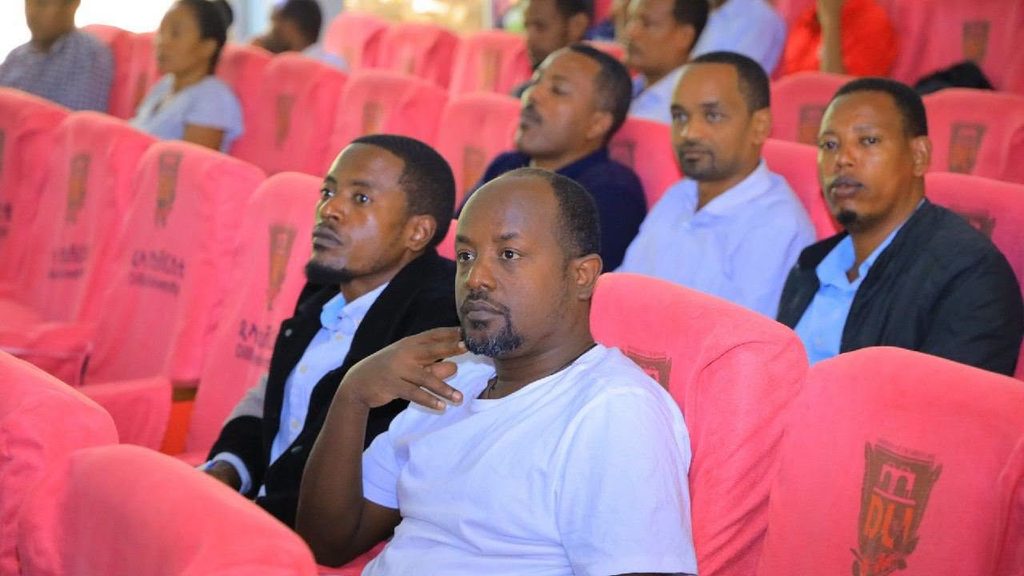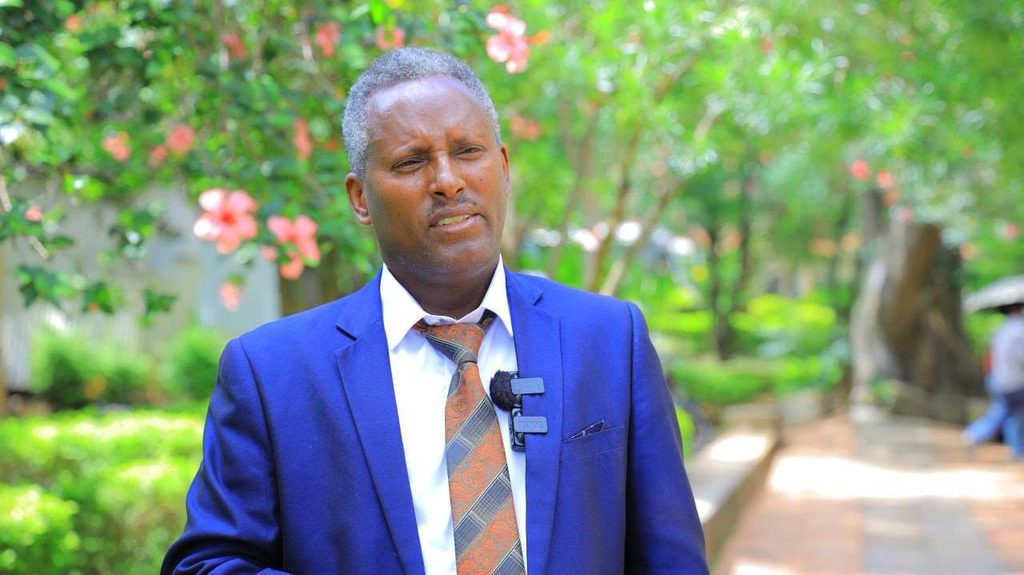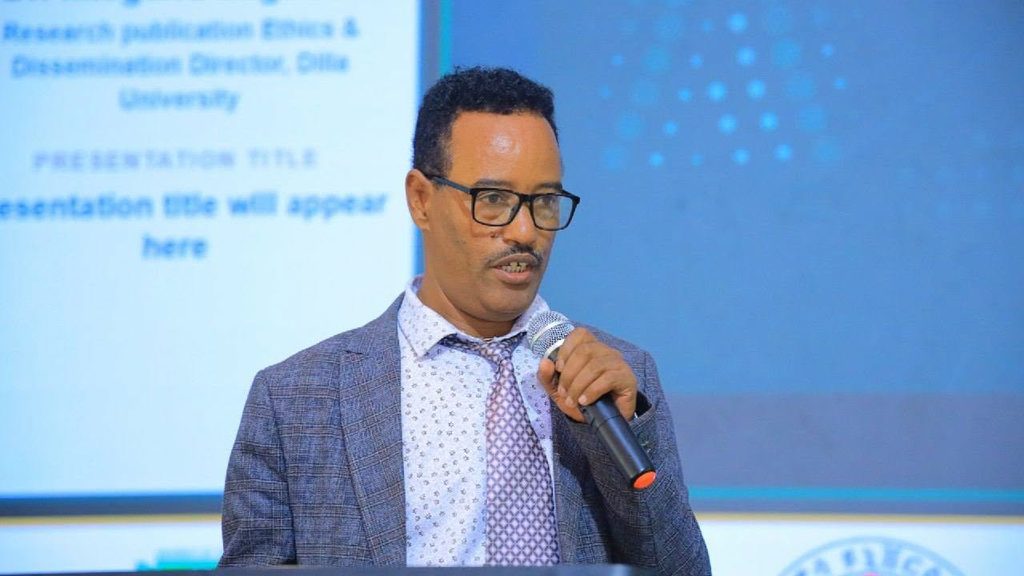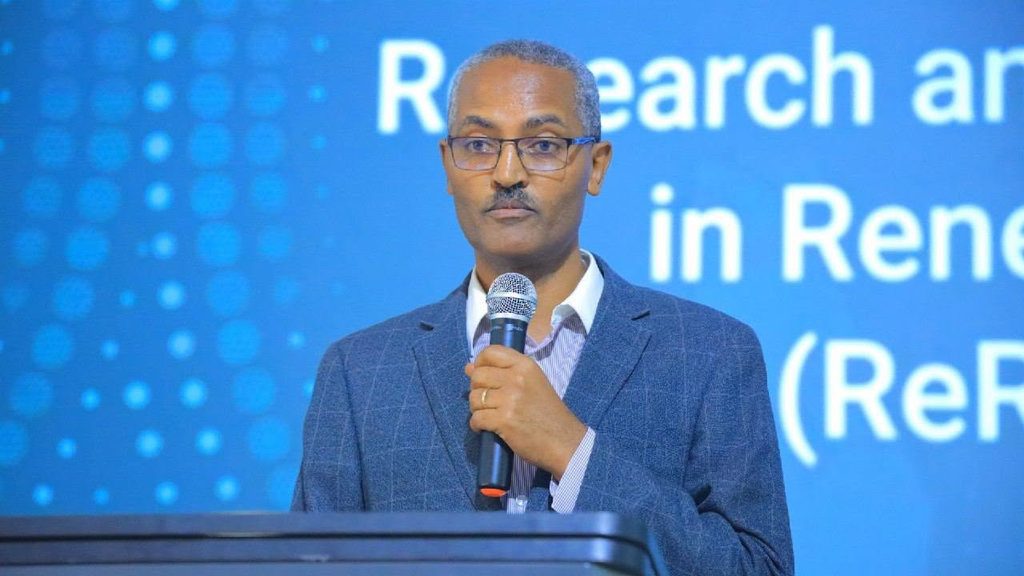
Dilla University successfully hosted a two-day Research Review Workshop under the Norwegian Programme for Capacity Development in Higher Education and Research for Development (NORHED II) funded Renewable Energy Research and Education (ReRED) Project from November 11–12, 2026. Bringing together scholars, project coordinators, and institutional leaders from Dilla University (DU), Hawassa University (HU), and the Norwegian University of Life Sciences (NMBU), the gathering served as a dynamic forum to evaluate project milestones and strengthen joint capacity in Ethiopia’s renewable energy sector. Over the course of the two days, participants reviewed institutional achievements and engaged in vibrant academic discussions featuring 20 research papers presented by PhD fellows, MSc students, and faculty researchers.
Opening the workshop, Dr. Misganu Legesse, of the Research, Publication, Ethics, and Dissemination Directorate at Dilla University, welcomed guests from internal and external partner institutions and underscored the indispensable value of teamwork in academic advancement. He framed the collaborative spirit of the ReRED initiative around Henry Ford’s timeless insight that coming together is a beginning, keeping together is progress, and working together is success. Through this lens, Dr. Misganu emphasized how sustained cooperation across universities transforms shared ambitions into lasting institutional growth before inviting the University President to officially open the forum.
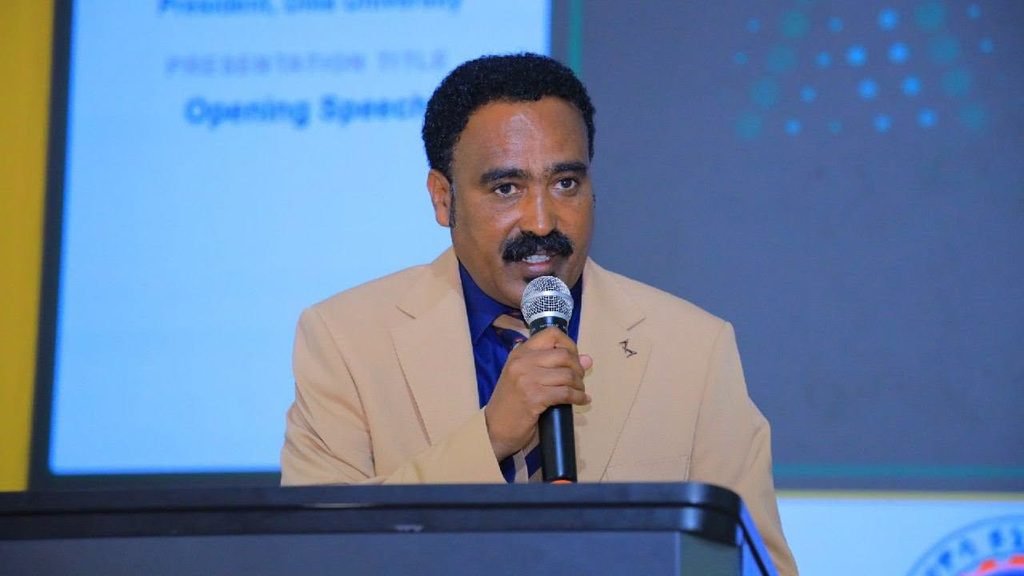
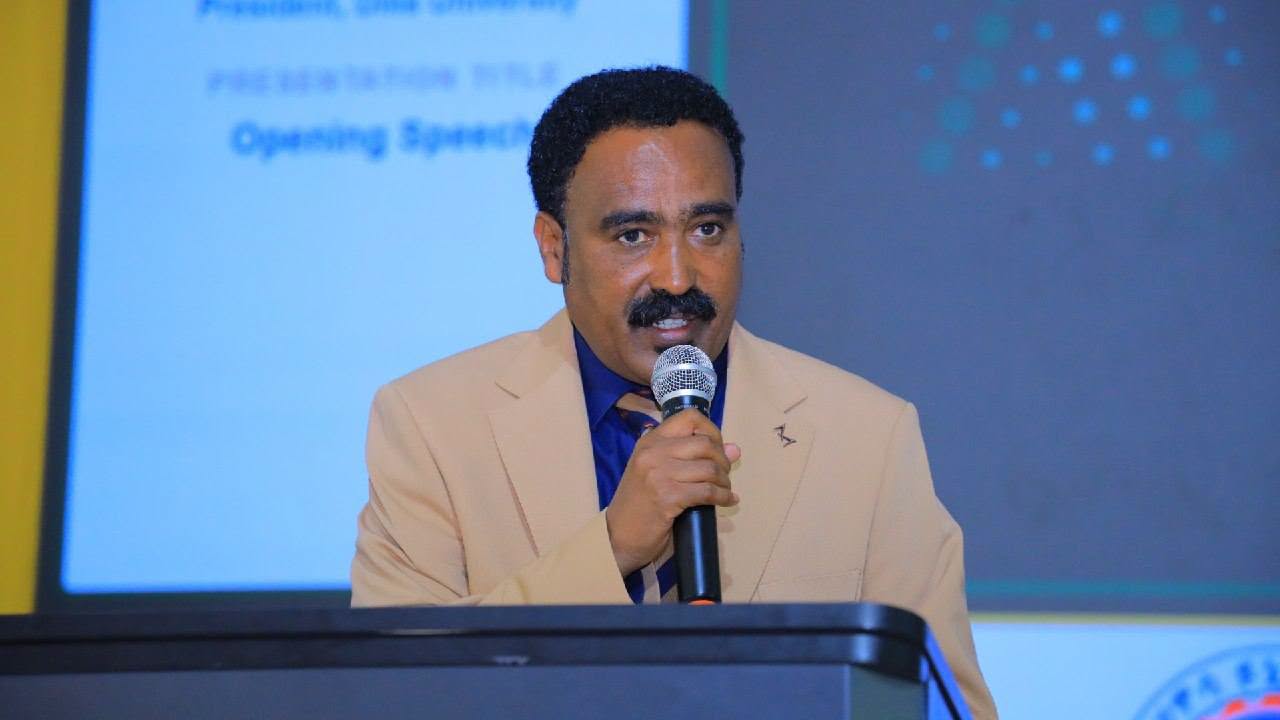
In his official opening address, Dilla University President Dr. Tolessa Dadhi highlighted that realizing Ethiopia’s vast renewable energy potential requires far more than natural resources; it demands skilled human capital, demand-driven research, and enduring partnerships across academia, government, and industry. He noted that Dilla University views the ReRED Project not as a short-term intervention, but as a strategic platform to enhance faculty research competencies, upgrade laboratory infrastructure, and foster interdisciplinary innovation. Dr. Tolessa urged researchers to translate their findings into practical, locally relevant solutions while ensuring that the institutional relationships built through this North-South partnership continue generating benefits well beyond the project’s lifespan.
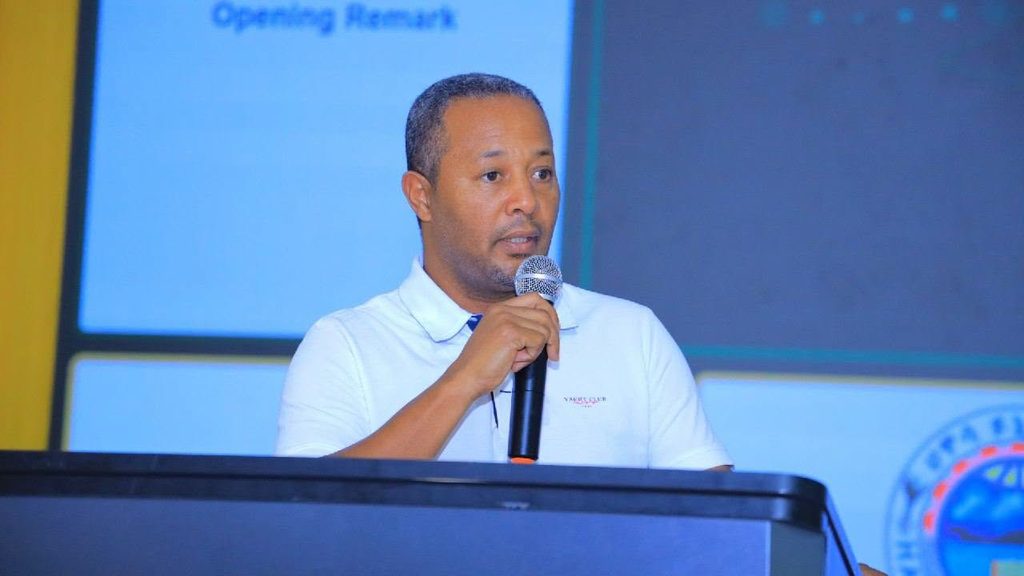
Delivering opening remarks on behalf of the Vice President for Research and Community Service at Hawassa University, Dr. Tewodros Assefa reaffirmed his institution’s strong commitment to inter-university cooperation. His participation reflected the vital synergy between Ethiopian sister institutions working side by side to pool academic expertise and address shared national development priorities in sustainable energy.
Dr. Teshale Woldeamanuel, Associate Professor and Dean of the Wondo Genet College of Forestry and Natural Resources (WGCF-NR) at Hawassa University, reflected on the transformative power of international partnership in higher education. He commended the strong bond between Ethiopian and Norwegian institutions under NORHED II for creating vital pathways for PhD, MSc, and postdoctoral training alongside high-impact scientific publishing. Dr. Teshale emphasized that the collective dedication of students, supervisors, and partner institutions demonstrates how targeted investment in collaborative research builds enduring scientific excellence.
Delivering the first keynote address on advancing research and fostering partnerships, Prof. Muyiwa Sam Adaramola of the Norwegian University of Life Sciences (NMBU) and overall NORHED II ReRED Project Coordinator explained that complex global challenges like clean energy access and climate change cannot be solved in isolation. He outlined how effective collaboration—spanning internal faculty, sister universities, government agencies, private industry, and international peers—drives innovation by combining diverse perspectives and sharing scarce facilities. Prof. Adaramola stressed that successful partnerships rely heavily on trust, clear expectations, shared accountability, and mutual respect rather than one-size-fits-all solutions, urging researchers to nurture strong professional networks as the true foundation of impactful science.
Presenting a comprehensive project overview in the second keynote address, Dr. Shimelis Nigatu, Associate Professor and ReRED Project Coordinator at Hawassa University’s WGCF-NR, illustrated how NORAD’s support through NORHED II has translated international cooperation into tangible academic capacity. He highlighted the project’s investment in human capital, which enabled six PhD candidates to pursue doctoral studies in Norway alongside numerous MSc students and two postdoctoral fellows in Ethiopia. Dr. Shimelis also noted that joint supervision and cross-institutional teamwork have yielded more than 20 peer-reviewed journal articles, significantly elevating the global visibility of Ethiopian renewable energy scholarship.
Sharing Dilla University’s institutional deliverables, Dr. Habtamu Temesgen, ReRED Project Coordinator and Vice President for Research and Technology Transfer (RTTVP) at DU, detailed how North-South and South-South collaboration strengthened teaching, research, and community outreach. Through joint efforts with NMBU and WGCF-NR, Dilla University developed a new multidisciplinary MSc curriculum in Renewable Energy Utilization and Management, enriched its main library with specialized reference books, established laboratory and demonstration facilities, and trained mid-level technicians in solar and biomass technologies. Furthermore, Dr. Habtamu highlighted impactful gender mainstreaming initiatives—including five Research Mentoring Centers supporting 85 female academic staff and hands-on clean-energy stove and solar training for rural women in the Gedeo Zone—while noting that institutional integration through DU’s Energy and Environment Research Center will sustain these gains despite economic and logistical hurdles.
Throughout the two-day workshop, project beneficiaries—comprising PhD fellows, MSc students, and faculty researchers—presented 20 diverse studies spanning bioenergy, solar drying, biogas systems, improved cookstoves, and urban rooftop solar planning. These engaging technical sessions, including the presentations following the afternoon tea break on the first day and throughout the second day, were skillfully moderated by scholars from partner institutions, notably Associate Professor Abiyot Legesse from Dilla University and Dr. Beyene Teklu from Hawassa University. Together, the presentations showcased how collaborative mentorship and shared laboratory resources empower emerging Ethiopian scientists to tackle real-world energy challenges across rural households, agriculture, and industry.
In summary, the two-day NORHED II ReRED Research Review Workshop stood out as a compelling testament to what universities can achieve when internal teamwork aligns with international solidarity. By uniting the institutional strengths of Dilla University, Hawassa University, and the Norwegian University of Life Sciences, the project has built a resilient ecosystem of trained researchers, modern curricula, inclusive mentorship, and community-centered innovation. As the partnership looks toward future phases, the shared commitment demonstrated during this workshop ensures that renewable energy research and education will continue to power sustainable development across Ethiopia.